
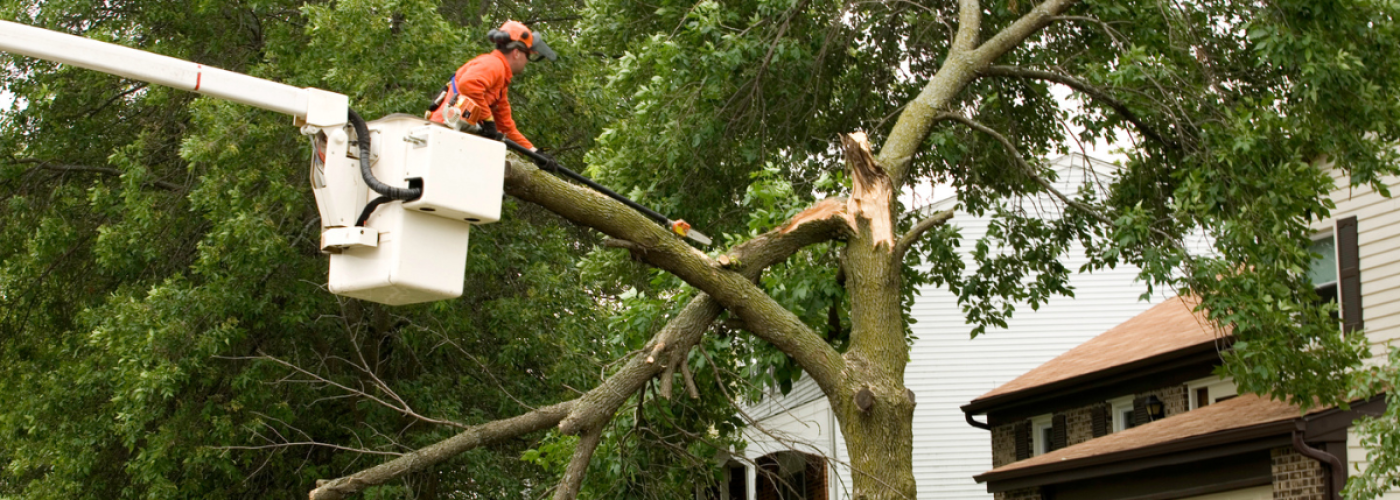
Trees are a beautiful part of any property, but not every tree is a healthy one. Knowing when to remove a tree can protect your home, your family, and your neighbours. Here are five signs it might be time to call in the Red Deer tree removal professionals.
1. The Tree Is Dead or Dying
A dead tree is a falling tree waiting to happen. Dead wood becomes brittle over time, making it far more likely to come down during a windstorm or heavy snowfall. Watch for no leaves during the growing season, peeling or crumbling bark, and fungal growth like mushrooms at the base of the trunk. If more than half the tree appears dead or diseased, removal is usually the safest call.
2. The Trunk Is Damaged or Hollow
The trunk is the backbone of the tree. Deep cracks, large cavities, or a hollow interior all signal internal decay, and a tree that looks fine on the outside can be dangerously weak inside. Vertical cracks running along the trunk are especially concerning, as they can mean the tree is splitting under its own weight. If you spot significant trunk damage, have it assessed before the next big storm.
3. The Tree Is Leaning
Not all leaning trees are dangerous, but a tree that has suddenly begun to lean, or is leaning toward your house, a fence, or power lines, needs attention right away. Sudden leaning is often caused by root failure, which can happen due to soil erosion or root rot. Once the root system is compromised, a tree can fall with very little warning.
4. The Roots Are Rotting
Root problems often go unnoticed until the situation becomes serious. Signs of root trouble include fungal growth near the base of the tree, soil heaving or lifting around the trunk, and exposed roots that look darkened or soft. Root damage is one of the leading causes of tree failure during storms, even in trees that look perfectly healthy above ground.
5. The Tree Is Too Close to Your Home or Power Lines
Sometimes location alone is enough reason to remove a tree. Overhanging branches can damage your roof and eavestroughs during storms. Roots can grow into your foundation, driveway, or underground pipes. A tree that is too close to a power line is a fire and safety hazard. In some cases, trimming can manage the problem, but when a tree poses an ongoing risk to your home, removal is often the smarter long-term choice.